



R6 323.85 incl. VAT
A programmable coding drone for schools with AI vision, 20+ sensors, and block-based or remote flight control. Ages 8+.
Eagle is a coding drone for schools, built to turn abstract programming concepts into something learners can watch take off, quite literally. Instead of debugging on a screen alone, students code a flight path, run it, and immediately see whether their logic held up in the air. That feedback loop is what makes Eagle stick in a classroom where other coding tools don’t: the consequences of a mistake are visible, safe, and instantly correctable.
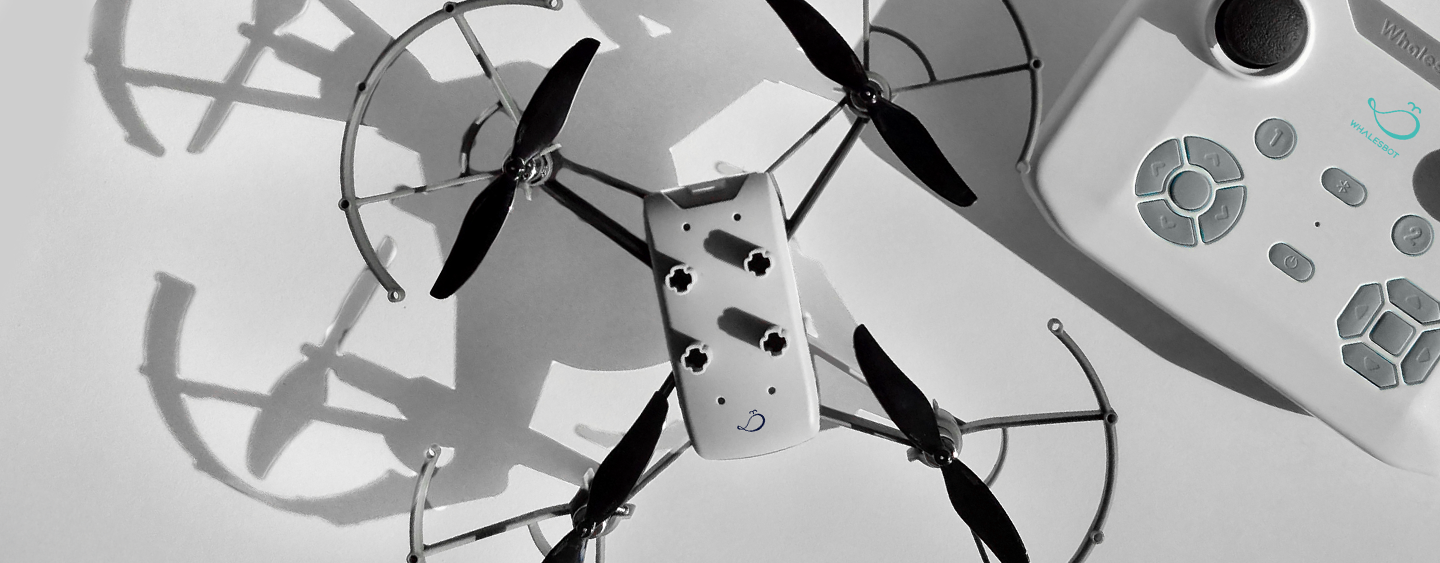
Plenty of educational robotics kits get bought, demoed once, and then sit in a cupboard. Eagle is designed to avoid that fate. It ships with two entry points: an IR remote so a class can be flying within the first five minutes of a lesson, and a block-based coding platform for when the class is ready to move from driving the drone to programming it. Because both modes run on the same hardware, teachers don’t need a second kit to bridge the gap between “flying it” and “coding it” — Eagle grows with the class rather than getting swapped out.
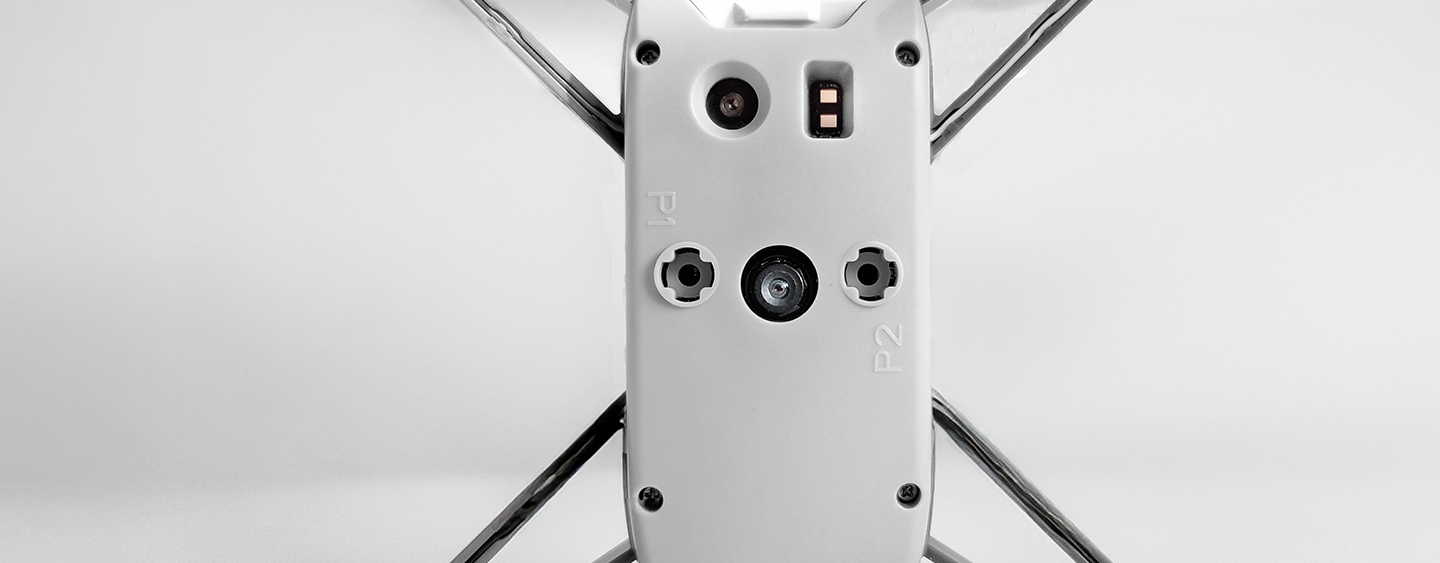
Eagle’s sensor suite — an AI vision module plus 20+ add-on sensors and actuators — is what separates it from a toy drone with a coding gimmick bolted on. Learners can code Eagle to react to obstacles, follow a line, hold a steady hover using the optical flow sensor and barometer, or trigger an action once it clears a laser-measured distance. That means lesson plans can move well past “make it fly” into genuine mission design: timed obstacle courses, indoor navigation challenges, and problem-solving tasks where the drone’s sensor data is the thing students are actually reasoning about.
At under 92g and fitted with full propeller guards, Eagle is light enough to carry between classrooms and safe enough to hand to a student who has never flown anything before. A single charge gives 8+ minutes of flight time — enough for several attempts at a mission within one lesson, without the whole class waiting around for a battery swap.
Eagle is designed by Whalesbot, whose coding platform also powers the rest of our AI-vision robotics range, so the coding skills learners build on Eagle carry over if your school expands into other Whalesbot devices later.
If you’re weighing up which coding drone for schools fits your curriculum, our team can walk you through how Eagle slots into a term’s worth of lessons alongside our other STEM kits. Get in touch to book a demo, and we’ll help you plan out the sensors, missions and pacing that make sense for your grade levels.
Eagle works equally well as a single classroom set for whole-class STEM lessons, a rotating station in a coding club, or a small fleet for a dedicated robotics lab. Because the entry point (remote control) and the advanced path (block-based coding and sensor programming) live on the same device, one purchase covers both a first introduction to coding and several terms of follow-on lessons as skills build — rather than needing a separate, more advanced kit once students outgrow the basics.


COMING SOON
We’re putting the finishing touches on our brand-new practical
1-hour workshops for South African teachers.
Leave your details below to receive exclusive launch updates and early access.
R99 per teacher per workshop. Adjust the numbers below and see what your school training could cost.